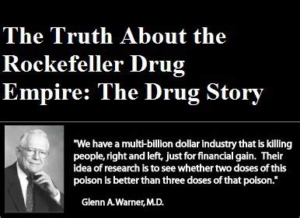
EXCLUSIVE by the Editor
“Our friend, Dr. Sarah Myhill, is widely known because she is a giant when it comes to research and standing for the truth. She has never stopped fighting against broken medicine to expose the truth. Here is her latest battle.”

A seasoned doctor whose fight against systemic bias exposes troubling concerns within medical regulation
Dr. Sarah Myhill, a highly experienced general practitioner in the UK with over 40 years of dedicated service, has become the focal point of a controversial and seemingly relentless campaign by the General Medical Council (GMC). Since 2010, she has faced an astonishing 46 separate proceedings aimed at scrutinizing her medical practice, an effort many critics argue is rooted in systemic bias and an attempt to silence her outspoken views on alternative treatments and her independent approach to medicine.
The Latest Case: A Tragic Death at the hands of mainstream medicine – a Questionable Investigation
Background
Dr Sarah Myhill qualified in 1981 with a Bachelor of Medicine and Bachelor of Surgery (MB BS) from the University of London. Prior to the events which are the subject of the hearing, Dr Myhill informed the GMC that until 2020 she had worked as a General Practitioner (GP). Dr Myhill stated that this had been initially within the NHS and then as an independent GP. Dr Myhill said she had not been on the Medical Register since August 2020 and her licence to practise expired in December 2021. Since 2020 Dr Myhill has been working as a naturopathic physician.
Website: https://www.drmyhill.co.uk/
- Registered with the Association of Naturopathic Practitioners (ANP)
- Registered with the General Naturopathic Council (GNC)
- Patron and Clinical Director of the College of Naturopathic Medicine (CNM)
- Medical Director of UK Medical Freedom Alliance (UKMFA)
- Educational Committee Member of the British Society for Ecological Medicine (BSEM)
- The CNM “Award for Outstanding Contribution in the field of Natural Medicine” in 2022, and also received an honorary diploma on the same day – please see College of Naturopathic Medicine – Outstanding Contribution Award 2022
Sarah hs co-authored 3 medical papers on CFS/ME and mitochondrial dysfunction:
- Chronic fatigue syndrome and mitochondrial dysfunction
- Mitochondrial dysfunction and the pathophysiology of Myalgic Encephalomyelitis / Chronic Fatigue Syndrome (ME/CFS)
- Targeting mitochondrial dysfunction in the treatment of Myalgic Encephalomyelitis / Chronic Fatigue Syndrome (ME/CFS) – a clinical audit
The allegations that led to Dr. Myhill’s hearing related to her conduct. It was alleged by the General Medical Council (GMC) that on or around March 23rd 2023, Dr Myhill prepared a medical report (the report) when she knew that she had been suspended from practice by a Medical Practitioners Tribunal on March 4th 2023. It was alleged that when Dr Myhill prepared the report, she failed to provide complete and accurate information about her status on the medical register and in that regard her actions were dishonest.
 The most recent Tribunal, held on January 5th 2026, in Manchester, stemmed from a coroner’s investigation initiated by a husband who led an investigation into the death of his wife, referred to here as Patient A. He also attended the GMC Tribunal in full support of Dr Myhill. Patient A – a woman, described as very fit prior to her death, sustained an injury to her femoral nerve trapped in her groin while getting out of bed. Her husband, who conducted extensive research into her care and medications prescribed at the time following her injury, expressed concerns about possible gross medical negligence. He submitted a letter to Dr. Myhill, raising questions about the drugs, some contraindicated and the care his wife received, in a rush to move forward, without seeking her permission, he submitted her letter of response with her opinion to the coroner to include in his case.
The coroner, after reviewing Dr Myhill’s letter, refused to incorporate it into the case, citing Dr. Myhill’s suspension from medical practice and claiming she lacked the expertise to comment. Despite this, the coroner repeatedly referenced Dr. Myhill’s concerns during the hearing and, remarkably, reported her to the GMC, a move critics see as highly unusual and potentially influenced by undue pressure. During the subsequent GMC tribunal, the coroner refused to be cross-examined by Dr. Myhill, stating he had nothing further to add, further raising concerns about transparency and fairness.
Questionable Conduct and Allegations
In attending the hearing at the GMC building in Manchester, I found it an honor to meet and spend time speaking with Dr. Myhill, who struck me as possessing a strong sense of conscience, warmth and compassion, a kind intelligent lady. I watched in admiration of her stance, alone as a litigant in person, a forthright and confident doctor who, throughout the tribunal hearing, clearly and firmly articulated her position demonstrating extensive expertise and professionalism. With four decades of medical experience, she has built a reputation for skilful diagnosis and treatment, particularly in complex cases involving systemic failures and overlooked patient needs.
However, the GMC’s case against her was criticised for bias and misrepresentation. Critics argue that the legal team accused her of failing to clarify that her investigations involved allegations of negligence by a GP and hospital. They also falsely claimed she was a personal friend of Patient A’s husband, a claim she strongly denies. Additionally, they accused her of not disclosing her suspension from the medical register, allegations critics contend are based on biased interpretations rather than an objective assessment.
A Witness with Troubling Inconsistencies
The central figure in the tribunal hearing was Dr. Wayne Lewis, an expert witness called by the GMC. Dr. Lewis, who has been a registered doctor since 1995, appeared somewhat perplexed while being questioned for several hours by Dt Myhill. His responses were marked by contradictions and included some that appeared unreasonable, particularly regarding his understanding of procedural terminology and his evaluation of Dr. Myhill’s reports.
Despite his assertions, Dr. Lewis failed to critique the core issues in the case, namely, the systemic failures in patient care involving two hospitals and the GP. Instead, he fixated on minor procedural points, sidestepping critical medical procedures and concerns – excusing the GP’s errors. Dr. Myhill attempted to clarify vital issues such as high ferritin and glucose levels, lack of blood tests, vitamin D status, drug dosages and contraindications causing immune suppression, but her efforts were often dismissed or interrupted by the trial Judge.
Concerns Over Patient Care and Systemic Failures
One of Dr. Myhill’s key contributions was highlighting how standard protocols in particular with patients with Thalassaemia had been ignored in the care of Patient A, a person with Alpha Thalassaemia an inherited blood disorder that reduces the production of hemoglobin, leading to anaemia and other health issues. It can range from mild forms, like HbH disease, to severe forms, which can be life-threatening, 1 million patients are affected by the various α-thalassaemia syndromes globally, This type of person are easily prone to infection. Dr Myhill referred to the latest GUIDELINES FOR THE MANAGEMENT of the syndrome. She pointed out the dangers of delays and lack of early diagnosis, (as in patient A’s case) with blood tests for sepsis and renal failure, as well as questionable medication dosages, issues that would have been life-threatening for patient A. Yet, Dr. Lewis’s responses consistently downplayed these concerns, claiming the care was appropriate despite a significant body of evidence to the contrary.
Critics argue that the GMC tribunal appears more focused on defending the medical establishment and drug companies (the “medicine men”) than on addressing systemic failures that threaten patient safety. Dr. Myhill’s detailed critique of care lapses, supported by medical records, was systematically ignored. This raises concerns about whether the GMC’s process for assessing fitness to practice genuinely prioritizes patient safety or simply aims to silence dissent – specifically, that of Dr. Myhill and Patient A’s husband.
Despite multiple reports to the GMC from various doctors regarding concerns about Patient A’s treatment, these submissions were consistently met with dismissal. This pattern underscores a systemic failure to listen and an active obstruction of efforts to provide holistic, patient-centered care, further illustrating how bias and rigid protocols can hinder the pursuit of what is truly in the patient’s best interests.
In contrast, Dr. Myhil, who operates outside the rigid confines of the system, approaches patient care with a holistic perspective – considering the full context of the patient’s wellbeing rather than just clinical protocols. Her approach highlights the importance of understanding the individual beyond the diagnosis and challenges the biases that can lead to harmful interference. The harassment and bias faced by Dr. Myhil underscore the urgent need for a more compassionate, comprehensive approach to healthcare – one that truly prioritizes the patient’s well-being over systemic rigidity and unfounded authority.
Patient A’s husband, a knowledgeable researcher and someone who is very much aware of the controlled pharmaceutical care industrial complex, urgently attempted to alert the hospital about the use of Naproxen and Paracetamol, as previously advised by a consultant. He insisted that his wife should not be given these medications. From the very beginning, he argued that the entire system had failed his wife at every possible level of her care. He maintained that the medications administered – Naproxen (contraindicated), Pregabalin (contraindicated) and Diazepam – had caused her kidney injury prior to her admission, as she was admitted with acute kidney injury (AKI). He also believed that the continued administration of drugs in hospital, including IV Paracetamol (contraindicated) given against her will, further weakened her immune system. He firmly believed that these negligent actions contributed directly to her renal failure and her tragic death from sepsis (found initially in her spine) just three weeks later. The GP practice in Shrewsbury, failed to diagnose and carryout blood tests, wasting 7 days before admission.
During Patient A’s coroner’s hearing, her husband cross-examined a consultant from Royal Stoke regarding the drugs administered to Patient A. He asked whether the consultant could provide details of the chemical components of these drugs. The consultant was unable to do so. This lack of information convinced the husband and his attending colleague that the medical professionals had little understanding of what they were administering or of the drugs’ effects, particularly on Patient A’s small body. Additionally, a second consultant from Telford Hospital Dr Barton was cross-examined about the three-day delay in taking blood tests. The husband questioned why the Accident & Emergency (A&E) staff did not take blood samples upon admission. The consultant responded arrogantly, saying, “It was a weekend,” and added, “I did not think it was reckless not to carry out blood tests” when questioned about this delay. Concerned by this behaviour, Patient A’s husband believes that these incidents serve as further evidence of a cover-up by the authorities.
The Broader Context: Suppression of Independent Medical Voices
Dr. Myhill’s suspension from the GMC, she asserts, was motivated by her advocacy for treatments such as vitamin D and Ivermectin, approaches she believes are in patients’ best interests. Despite winning every case brought against her (46) over the years by the GMC, she faces ongoing harassment, which many see as a targeted effort to suppress her independent, evidence-based approach.
Her case has become emblematic of a broader concern: the potential bias within the medical regulatory system, which critics say is increasingly aligned with protecting the interests of pharmaceutical companies and mainstream medical authorities at the expense of genuine patient-centered care.
A Call for Transparency and Justice
Three days after the latest hearing, the GMC issued a report outlining their findings. Here is the final paragraph:
“The Tribunal noted that the sole allegation which had been admitted and found proved was limited in scope and nature and was simply a matter of fact. The Tribunal was satisfied that this fact, whether taken in isolation or in the context of the case as a whole, could not amount to misconduct. The Tribunal also noted that the GMC made no submissions to suggest that the proved fact was capable of meeting the threshold for misconduct. Accordingly, the Tribunal determined that there was no finding of misconduct. In the absence of any misconduct, there was no basis upon which to consider impairment, and the Tribunal therefore concluded that the question of impairment did not arise. Case concluded.”
While the tribunal’s conclusion claims that no misconduct was found, countless troubling questions remain about the GMC’s methods of targeting doctors – deeply suspect.
Is the process used by the GMC genuinely fair?
Are the motives behind these relentless attempts to silence Dr. Myhill truly justifiable, or do they reveal a disturbing abuse of power?
Summary of The Guardian Investigation on Pharma Influence
“How the Pharmaceutical Industry Influences Medical Practice” – While not solely about the GMC, it explores broader industry influence on medical regulation and practice.
Source: The Guardian published an investigative report
The investigation by the Guardian exposes how the pharmaceutical industry exerts significant influence over medical practice, research, and regulation. It reveals that many members of medical regulatory bodies and advisory panels have ties to the industry, including financial relationships and consultancy roles.
The report questions whether these connections impact regulatory decisions, potentially leading to the downplaying of risks or the promotion of specific medications.
It emphasizes the need for transparency and independent oversight to prevent undue industry influence.
 Having attended the latest tribunal with Dr. Myhill, I can confirm that in my opinion, without any doubt, the GMC acts as an aggressive enforcer, more akin to an attack dog than an impartial regulator. It seems to serve the interests of what can be called the “holy alliance” of high priests from the pharmaceutical industry and the protectors of fellow doctors who rarely face accountability for their failures, failures that can and have led to patient harm or death. They remain unchecked and still practicing as in the case of the GP practice who failed Patient A despite her husband’s complaints raised to the GMC and Parliamentary Health Ombudsman.
This holy alliance pattern of protecting certain medical practitioners at the expense of patient safety is deeply troubling. For example, in the case of Patient A, who died due to what appears to be utter negligence, the case was ultimately shielded by the coroner, effectively preventing accountability or justice.
Patient A tragically died as a result of negligent attention from her GP, who failed to alert the hospital about Patient A’s Alpha Thalassemia condition and her contraindication to drugs. This, along with the combined use of petrochemical drugs, caused severe damage to her healthy body. Despite her husband’s sincere efforts to advocate for evidence-based, alternative treatments, he was met with condescension and ridicule by the hospital registrar—an individual whose knowledge is narrowly restricted to petrochemical drugs and who has no understanding of nutrition or holistic therapies. However, the GM C targeted Dr. Myhill over her suggestion for people to take Ivermectin and vitamin D, but would accept the harm caused by the GP and hospital, which resulted in the untimely death of a fit woman. Even though the husband cited a substantial body of overwhelming evidence from reputable sources, including Dr. Thomas Levy’s book Curing the Incurable, which demonstrates the critical importance of vitamin C and other nutritional therapies in healing the body. This evidence is well-documented and supported by scientific studies showing the profound healing potential of such treatments. However, the registrar dismissively rejected these references, along with other scientific studies cited by the husband, including research by Dr. Klenner. Specifically, the registrar dismissed Dr. Klenner’s 1946 paper, “Massive Doses of Vitamin C as Treatment for Poliomyelitis,” published in the Southern Medical Journal, where Dr. Klenner states:”In the 60 cases of poliomyelitis I have treated with massive doses of vitamin C, I have cured them all. Had Patient A received this treatment, she might have been rescued from sepsis, which ultimately led to her death.”
This arrogant refusal by the registrar to consider evidence-based, nutrition-based therapies – despite their overwhelming scientific support, serves as an example of the type of reaction by mainstream medics to undermine and dismiss which stems from a limited, dogmatic worldview rooted in petrochemical pharmacology. This attitude so typifies the current medical bias due to the medical training these doctors receive which is heavily influenced and controlled by the Rockefeller-funded system, which has historically prioritized pharmaceutical and petrochemical approaches over holistic and nutritional medicine. Their narrow education and ignorance of proven nutritional therapies prevented them from recognizing the critical role of such treatments, ultimately contributing to the tragic and preventable loss of Patient A.
In conclusion:
The case and continued harassment of Dr. Sarah Myhill profoundly underscores urgent concerns about the integrity of medical regulation and the impartiality of the General Medical Council in the UK but also the American Medical Association. It raises critical questions about its transparency, accountability, and the fundamental right of healthcare professionals to challenge mainstream narratives without fear of persecution.
Dr Myhill’s unwavering dedication to her patients and her relentless pursuit of truth have made her a symbol of resistance against medical censorship and regulatory bias. In recent years, particularly during the so-called COVID pandemic, many doctors have been unjustly treated. Several, like Dr. Myhill, have been unfairly targeted and have lost their licenses to practice by the GMC for speaking out about their observations and concerns at that time.
There has been a number of doctors in the UK and the USA have lost their licenses or have been suspended simply because they dared to raise concerns over the treatment of COVID, the restrictions and the injection use allegedly to protect against COVID refereed to as a vaccine. These doctors warned patients and accused governments, health authorities, and drug companies of mounting a “monumental cover-up operation” to conceal vaccine harms – an assertion that their professional bodies like the GMC found unacceptable. One must ask: who is the master here? Who is the conductor of the orchestra and to what end? As if losing their licenses weren’t enough, the mainstream media always continues the onslaught by using sensational headlines to smear and undermine the reputations of doctors who have dared to warn the public. Mainstream media reports have become infamous for their biased and scathing coverage designed to divert public attention away from uncomfortable truths. For instance, a senior NHS doctor branded as a “disgraced,” “dangerous,” “misconduct,” “scaremongering,” and “conspiracy theorist, illustrates how dissenting voices are silenced or ridiculed. Meanwhile, many thousands of lives worldwide have been lost due to the so-called COVID vaccine onslaught. These headlines often employ loaded words such as effectively tarnishing their reputations and eroding public trust in their professional integrity. This persistent vilification not only silences dissenting voices but also discourages other healthcare professionals from speaking out – perpetuating a climate of fear and conformity that hampers open scientific debate and the pursuit of truth.
In light of these concerns, it is imperative that we demand greater transparency and fairness in medical regulation, ensuring that the pursuit of truth and patient safety is not sacrificed to protect institutional interests or uphold a flawed status quo.
We must never forget that during the “Covid Pandemic” criminal players many controlled by the Rockefeller Syndicate. Organizations like WHO, Bill Gates, and Fauci and are, according to some sources, fronts for Rockefeller interests. See this article https://namastepublishing.co.uk/the-silent-generational-pharma-drug-poisoning-of-the-womb/
Notable Cases of Medical Professionals Targeted by Establishments Worldwide
There have been numerous courageous doctors who have faced targeting by the medical establishment and legal system, both in the UK and internationally. Among them are, but not limited to:
Oncologist Dr. William Makis (Canada) for providing a cancer cure https://makiswmd.org/
Consultant Danial Armstrong (UK) targeted and struck off for warning about COVID fraud
https://namastepublishing.co.uk/uk-gmc-attacks-consultant-dr-daniel-armstrong-for-telling-the-truth/
Dr Lee Merritt (USA) https://totalityofevidence.com/dr-lee-merritt/ Spinal Surgeon and former president of the America Association of Physicians and Surgeons. was targeted for her stance against COVID rules
Dr Paul Merik https://totalityofevidence.com/dr-paul-marik/ targeted The American Board of Internal Medicine revoked the certifications of Pierre Kory and Paul Marik
Dr Thomas E. Levy board-certified cardiologist, a bar-certified attorney targeted disciplined by the Colorado Medical Board for promoting what they said was unproven and controversial treatment for COVID-19. (just like Dr Myhill)
https://totalityofevidence.com/dr-thomas-levy/
Dr Vernon Coleman (UK) https://vernoncoleman.com/banned2.htm targeted long ago when he wrote his first book The Medicine Men. He said, “…every complaint ever made about me came from the pharmaceutical industry… none from patients.”
History of Health
At the tun of the 18/19th century John D. Rockefeller, having effectively destroyed natural medicine over the past century, embarked on mass production of petrochemical-based pharmaceuticals, inducing a silent, ongoing genocide. This relentless drive to suppress natural healing modalities and promote synthetic drugs continues today, with devastating consequences.
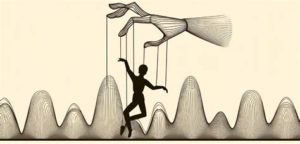
This image encapsulates the persecution faced by Dr. Sarah Myhill and other courageous doctors willing to stand against the prevailing draconian orthodoxy and control of medicine.

The Drug Story By Morris A. Bealle
https://archive.org/stream/bealle-the-drug-story/Bealle%20The%20drug%20story_djvu.txt